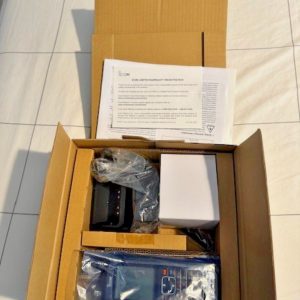
:::writingvariant="document" id="58314" ICOM IC-A25N Handheld NAV/COM Transceiver w/ Bluetooth – Open Box: Reliable NAV/COM Performance The ICOM IC-A25N Handheld NAV/COM Transceiver w/ Bluetooth – Open Box combines user-friendly controls, portable convenience, aviation communication capability, navigation functions, and Bluetooth connectivity. An open-box ICOM transceiver can be attractive to buyers who want dependable features while reducing the cost of purchasing professional aviation equipment. The ICOM IC-A25N Handheld NAV is suitable for users who want portable access to communication and navigation-related functions during flight preparation, cockpit operations, instruction, emergency planning, or airport ground activities. An ICOM IC-A25N Aviation Radio can support communication between pilots, air traffic services, flight instructors, ground personnel, and other aviation users where authorized. A portable ICOM IC-A25N Handheld Radio supports flexible aviation operations because it can remain with the pilot rather than being permanently installed in one aircraft. The Handheld NAV/COM Aviation Transceiver format offers useful flexibility to pilots who want one compact tool for several operational requirements. Whether the intended use involves a Handheld Aviation Radio, Aviation NAV/COM Radio, Pilot Handheld Radio, or Aircraft Communication Radio, dependable battery and antenna performance remain important. The product can support pilots seeking a Portable Aviation Transceiver, Aviation Navigation Radio, ICOM Pilot Radio, or dependable Backup Aircraft Radio.
Understanding the ICOM IC-A25N Handheld NAV/COM Transceiver
The radio’s portable construction allows it to support aircraft operations before departure, during flight, after landing, or while personnel are working around the airport. The device may help pilots reduce equipment clutter by integrating several useful capabilities into one flight-bag-friendly radio. Users should understand that portable-radio coverage can differ from panel-mounted equipment connected to an external aircraft antenna. Pilots should test the radio during routine conditions and become familiar with its operation before expecting to use it during an urgent situation.Choosing the ICOM IC-A25N Handheld NAV
A handheld NAV radio can be valuable to flight instructors who demonstrate aviation communication and navigation concepts during training. Ground personnel can use an appropriate handheld radio for monitoring or coordination where local procedures and regulations allow. Navigation features should support rather than replace required pilot preparation, approved navigation equipment, current charts, and appropriate operational judgment. A complete preflight review can confirm that the radio is charged, configured, accessible, and ready to support the planned operation.ICOM IC-A25N Aviation Radio for Pilots
Aviation professionals can carry the IC-A25N when moving between aircraft instead of depending entirely on equipment installed in one cockpit. Pilots attending fly-ins or traveling through unfamiliar airports may appreciate having portable access to communication frequencies. Buyers should consider the radio’s physical condition, battery age, charging equipment, antenna, clips, headset accessories, manuals, packaging, and evidence of proper operation. The best purchase decision combines condition evidence, package completeness, seller credibility, secure payment, and documented delivery terms.ICOM IC-A25N Handheld Radio Applications
Portable operation can be valuable to users who fly several airplane types or who do not control the installed equipment available in every cockpit. Responsible storage preserves physical condition and improves the likelihood that the radio will function correctly when needed. Portability also allows the radio to be charged and configured away from the aircraft, helping pilots prepare frequencies and settings before entering the cockpit. A portable radio should not be left in extreme heat, direct sunlight, freezing conditions, or damp environments for extended periods.Handheld NAV/COM Aviation Transceiver Benefits
A feature-rich handheld transceiver can provide practical support while remaining compact enough for regular flight-bag use. The most suitable handheld radio is not necessarily the one with the longest feature list, but the one the pilot can operate confidently and maintain properly. Stored frequencies and settings should be reviewed periodically so outdated information does not create confusion. Any abnormal heat, charging issue, intermittent audio, damaged control, loose connector, or battery swelling should be investigated before further operation.Handheld Aviation Radio Applications
A Handheld Aviation Radio is a practical tool for private pilots, instructors, students, mechanics, aircraft owners, flight schools, and airport support personnel. Pilots should avoid assuming that an unused radio stored for years will operate correctly without battery care and periodic testing. Accessories such as approved headset connections or suitable external antenna arrangements may influence convenience and performance. The device should not be used for casual or unnecessary transmissions that could interfere with operational communications.Aviation NAV/COM Radio Applications
A NAV/COM radio may support pilots who need backup communication while also valuing navigation-oriented information and operating flexibility. Menu familiarity, memory organization, display interpretation, audio control, and Bluetooth setup can improve efficient operation. A handheld device may provide valuable reference information but should not replace required installed equipment or approved procedures where those are necessary. The antenna should be attached properly and protected from interference with controls or cockpit movement.Pilot Handheld Radio for Flight Operations
A Pilot Handheld Radio offers flexibility to aviation professionals whose work involves several aircraft, airports, and operational environments. Pilots should decide before departure where the radio will be located and how it will be retrieved during an abnormal situation. Emergency equipment is more useful when essential controls can be operated confidently without lengthy manual review. Battery condition should be reassessed as the pack ages or shows reduced capacity, charging problems, unusual heat, or physical changes.Aircraft Communication Radio Applications
An aircraft communication device can support maintenance coordination, ground handling, training activities, and operational monitoring where appropriate. Clear communication depends on more than radio quality because users must understand procedures, frequencies, terminology, timing, and radio discipline. Buildings and hangar structures can also reduce radio performance during ground use. Qualified repair or manufacturer-supported service may be appropriate for electronic problems that cannot be corrected through normal setup.Portable Aviation Transceiver Advantages
The ability to carry the radio personally helps operators maintain access to familiar controls and stored settings. The owner should keep the package organized so no essential component is missing when the radio is needed. Users should understand how to disconnect or change the wireless connection if audio is routed incorrectly during operation. Bluetooth settings can be reviewed during preflight preparation and confirmed before the aircraft begins moving.Choosing an Aviation Communication Device
A professional handheld radio may serve private pilots differently from flight schools, maintenance shops, airport staff, or commercial operators. Transparent condition information allows the purchaser to judge whether the price reflects the package accurately. Professional users may maintain records of radio assignment, charging, inspections, damage, accessory inventory, and battery replacement. A radio configured for one headset or training environment may need adjustment before being issued for another application.Maintaining a Handheld Aircraft Radio
The radio’s portable form allows pilots to monitor or communicate without remaining seated at the aircraft instrument panel. A handheld unit allows maintenance personnel to confirm communication-related information while aircraft power remains disconnected. The pilot should route headset cables or charging leads carefully and avoid creating loops that can snag controls or occupants. The radio should be cleaned only with suitable methods that do not damage the display, housing, seals, labels, or controls.Aviation Navigation Radio Benefits
A combined navigation and communication unit can help pilots maintain familiarity with one device rather than carrying unrelated portable tools. A demonstration or careful manual review can help users understand displays, menus, stored information, and navigation-related controls. The device should become part of a layered navigation and communication strategy rather than the sole source of critical information. Careful preparation allows an Aviation Navigation Radio to provide practical value without increasing cockpit workload unnecessarily.Using an ICOM Pilot Radio
The IC-A25N provides a combination of communication, navigation support, Bluetooth connectivity, and portable power suitable for varied aviation roles. Accessories, manuals, packaging, warranty eligibility, and previous registration may affect the practical and commercial value of the radio. The correct purchasing decision reflects mission, budget, equipment condition, support needs, and actual operational preferences. Once acquired, the radio should be labeled, documented, configured, charged, tested, and stored in an accessible location.Choosing an Emergency Aviation Radio
A handheld radio may support a pilot’s response to an abnormal situation by providing portable communication capability independent of the main panel system. Cockpit structure, antenna location, terrain, altitude, weather, buildings, and battery condition can influence emergency performance. The pilot should know how to operate the radio directly if a paired headset or wireless accessory fails. Battery packs should be replaced when capacity declines, physical damage appears, charging becomes unreliable, or the manufacturer’s guidance indicates replacement.Backup Aircraft Radio Benefits
Pilots who operate several aircraft can carry the same Backup Aircraft Radio and remain familiar with its controls across different cockpit layouts. A backup device should not be neglected simply because it is not used during every flight. Each audio method should be tested in advance under realistic cockpit noise conditions. Backup planning should also consider how the aircraft will be flown, navigated, and managed while the pilot is using the portable radio.Evaluating an Open-Box Aviation Radio
An open-box ICOM IC-A25N should be inspected for cosmetic condition, display quality, button response, antenna security, battery fit, connector condition, and evidence of previous use. Transparent answers allow the buyer to distinguish a nearly unused open-box product from a lightly used or incomplete package. Functional testing should include power-on behavior, charging, control response, display operation, speaker audio, microphone function where appropriately tested, and accessory recognition. A professional purchasing process protects both parties and supports a fair evaluation of the open-box aviation click here transceiver.Maintaining a Portable NAV/COM Transceiver
A professional handheld transceiver should be managed as aviation equipment rather than treated like an ordinary consumer radio. Any change in audio, charging, battery life, control response, display quality, Bluetooth operation, or power stability should be investigated.- Examine high-use areas regularly and document any repair, battery replacement, charging concern, impact, or intermittent operation.
- Verify frequency settings, memory organization, Bluetooth pairing, audio routing, volume, squelch, navigation functions, and battery status during preflight preparation.
- Record any missing component, operating concern, battery issue, or required service before returning the radio to backup status.